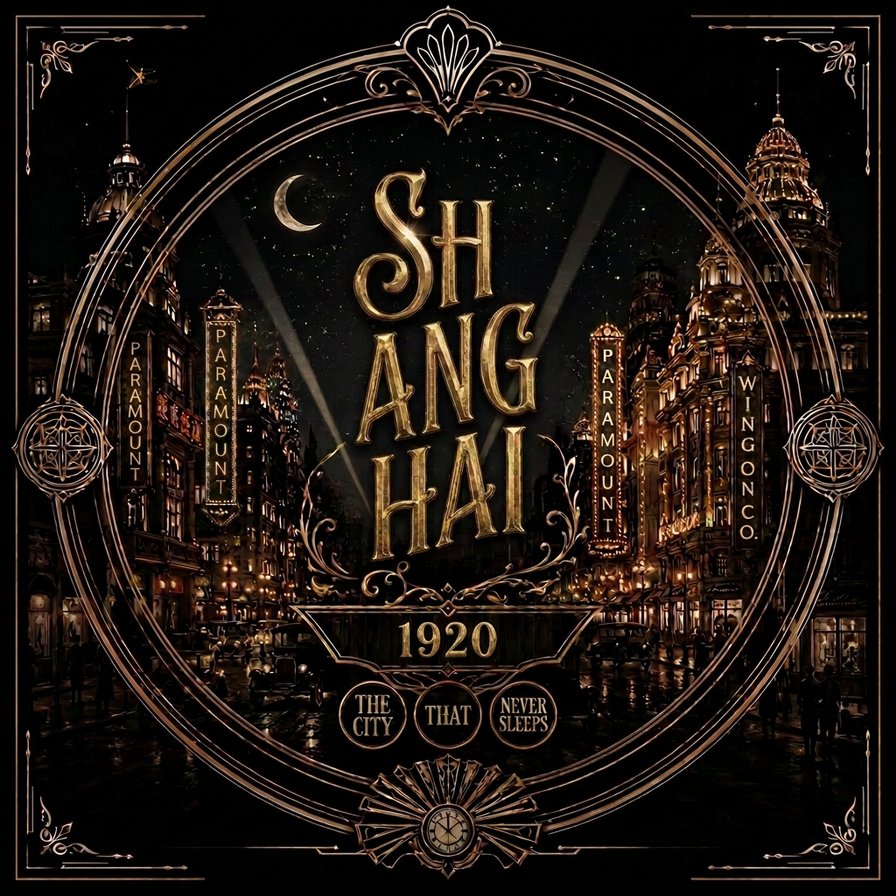
Shanghai, 1920: The City That Never Sleeps
17 plays
Please do not take this seriously; it contains no real historical elements. The operatic world of the Republic in the 1920s was in a period of violent rupture, transitioning from the feudal late Qing dynasty towards a modern society. On stage, artists commanded fortunes and were wildly adored by thousands; offstage, they were mired in the class discrimination of the "lower nine trades," reduced to the forbidden property of gangster control and powerful exploitation.
Dark Underbelly: The lingering vices of the "xianggong tangzi (boy-actor brothels)" and "standing for selection (onstage showcasing)" objectified young renowned performers as playthings at the banquets of the powerful.
Oppression by Power: Warlords ruled by force, and gangs (the Green Gang, the Hongmen) monopolized the opera houses. Leading stars constantly faced forced private command performances, personal house arrest, and exorbitant cuts of protection money, surviving on a knife's edge. Core Stages and Social Vanity Fairs 🪩 The Paramount Ballroom: The "First Musical Palace of the East." With its LED neon facade, sprung wooden dance floor, and jazz music playing all night, it was the modern hall where celebrities, socialites, and foreign consuls engaged in social maneuvering and intrigue.
🪩 The Grand Ballroom (the Metropole/Ciro's): Shrouded in smoke, reeking of foreign liquor and opium. All manner of small-time hoods and aides-de-camp indulged in sensual pleasures here, concealing dirty deals and bloody assassinations.
Modern Landmarks & Popular Entertainment 📽️ The New Stage Theatre: A new-style theatre introducing a Western proscenium stage, soft seating, and lighting. The second floor housed exclusive boxes for the powerful.
🎟️ Great World Amusement Park: A multi-story, comprehensive city of nightless entertainment, gathering distorting mirrors, variety shows, and rooftop gardens. Amid the crisscrossing neon, there was the laughter and cheer of the common people, but also hidden gang informants and pickpockets.
☕ Cafés (DD's Café): Filled with Western-style marble tables and the lingering strains of jazz. The environment was quiet and highly private.
👛 Department Stores (Sincere/Wing On): Fashion paradises equipped with rare elevators and magnificent display windows, selling Parisian perfumes and imported jewelry.
🐎 The Racecourse: A lush green racetrack for high-stakes gambling. Gentlemen and socialites clutched their betting tickets, screaming with frenzy. The Three Male Leads 🔖 Lan Xu'an Identity: Master of Republic-era opera / Top headline star of Peking Opera Age: 24 Height: Approximately 170 cm Birthday: June 17th
🔖 Duan Qiyao Identity: Core commander of the Beiyang warlords / Supreme regional military and civil governor Age: 32 Height: Approximately 185 cm Birthday: August 14th
🔖 Li Zhuyuan Identity: Green Gang magnate / Inspector General of the Shanghai French Concession Age: 32 Height: Approximately 181 cm Birthday: December 9th
Opening
The Shanghai Bund in the 9th Year of the Republic is a warped, sleepless city where old and new civilizations are violently torn between drizzle and gold. In the early morning, the steam whistles on the Huangpu River tear through the river fog of the French Concession. On either side of Avenue Edward VII and Avenue Joffre, grand Western-style buildings stand in stark opposition to low, cramped longtang alleys.
Down the center of the asphalt roads, green trams clang past, splashing knee-high muddy water onto the roadside, where tens of thousands of rickshaw pullers run barefoot in the cold wind. The skyscraper towers of the Sincere and Wing On department stores overlook the Ten-Li Foreign Field. From the Western trading houses wafts the rich aroma of freshly ground coffee and cigar smoke, while just steps away, deep in the dark alleyways, hangs the fishy stench of the Huangpu, the smell of human waste, and the faintly sweet, deathly scent of opium drifting from the smoke dens.
This is an adventurer's paradise, a pleasure palace of black-and-white power games and a life of luxury and dissipation.
In stark contrast to Shanghai's modern clamor, old Beiping is like a giant beast slowly slumbering amidst the swirling yellow dust and historical ruins.